Crystal Lake, IL
A Tub-to-Shower Conversion can make daily bathing simpler by replacing a high tub wall with a purpose-built shower base and waterproofed surround. Crystal Lake Bathroom Remodel Contractors Pro follows ICC/IRC code practices and uses TCNA-aligned waterproofing methods so your new shower is built for long-term moisture control. If you’re considering Tub-to-Shower Conversion in Crystal Lake, we’ll help you choose a layout and materials that fit your home and plumbing realities.
Crystal Lake Bathroom Remodel Contractors Pro is a licensed bathroom remodel contractor offering tub-to-shower conversion to homeowners in Crystal Lake, IL. Our in-house team handles every trade — plumbing, electrical, tile, and finish — so your project stays on schedule and on budget. Free in-home design consultation.
A tub-to-shower conversion (also called tub conversion to shower, bathtub-to-shower conversion, or converting a tub to a shower) involves removing the existing alcove tub, adapting the drain and supply lines, and building a shower assembly with a sloped base, waterproofing, and finished wall surfaces. We typically demo with an oscillating multi-tool for clean cuts at drywall/backer transitions and use a laser level to verify plumb walls and the shower pan pitch. For waterproofing, we commonly install Schluter-KERDI membrane or liquid-applied RedGard, then set tile using a polymer-modified thinset like MAPEI or LATICRETE.
This service solves issues that standard tub use can create—especially in Crystal Lake homes where older bathrooms may have dated plumbing and marginal moisture protection. High tub walls increase slip-and-fall risk; the CDC reports that about 3 million older adults are treated in emergency departments each year for fall injuries, and bathrooms are a common setting. We also see hidden problems behind tubs: wet stud bays, deteriorated gypsum, and mold staining from failed caulk joints at the tub flange. A properly built shower system addresses these by creating a continuous waterproof layer, a correctly sloped drain plane, and sealed penetrations at the valve and shower arm.
Our tub-to-shower conversion process starts with a site evaluation of framing, venting, and drain location, then moves into controlled demolition and prep. Step 1: we protect floors and isolate dust with a HEPA air scrubber and containment, then remove the tub and inspect the alcove. Step 2: plumbing adjustments are made with PEX or copper as needed, and the drain is set to the shower base using code-compliant fittings; if a linear drain is selected, we verify subfloor depth and joist direction before placement. Step 3: we install a shower base (acrylic, solid surface, or mortar bed), apply waterproofing per manufacturer specs, then complete tile or wall panels, valve trim (e.g., Moen or Delta), and final silicone sealing.
Materials and standards matter more in a conversion than many homeowners expect because the old tub surround often wasn’t designed as a true wet-area system. We build to IRC/IPC principles for drainage and venting, and we follow TCNA Handbook methods (such as B421/B422 assemblies) for wet-area tile work. Typical substrates include cement backer board (USG Durock) or Schluter-KERDI-BOARD rather than moisture-sensitive drywall in the spray zone. For grout, we often recommend epoxy grout (e.g., LATICRETE SpectraLOCK) in high-splash areas, and we use ASTM C920-rated silicone at changes of plane to reduce cracking and moisture intrusion.
To complete the conversion with a clean, durable finish, we also focus on details that prevent callbacks: accurate valve depth, consistent slope to drain, and correct fastener placement through waterproofing only where permitted. We set tile with a notched trowel sized to the tile format, verify coverage, and use a grout float and sponge technique that avoids washout and pinholes. Where glass is part of the scope, we coordinate tempered safety glazing and properly anchored blocking for future stability. The result is a shower that functions like a purpose-built installation rather than a cosmetic swap.
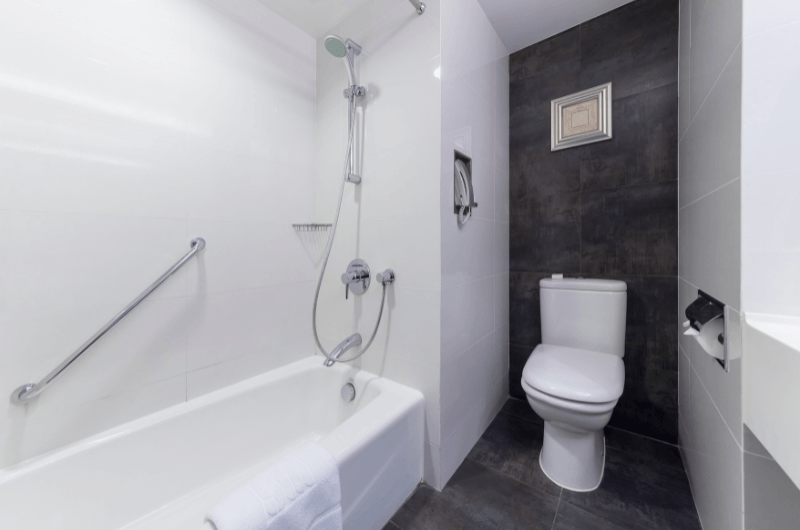
Crystal Lake homes—from older properties near Downtown Crystal Lake to neighborhoods around Four Colonies and the Route 14 corridor—often have bathrooms built with older tub surrounds and aging plumbing that aren’t ideal for modern shower waterproofing. Our local approach accounts for seasonal humidity and temperature swings in McHenry County, which can stress caulk joints and amplify condensation if ventilation is weak. We also coordinate scope with City of Crystal Lake permitting practices when plumbing changes are involved, and we plan material lead times so your tub-to-shower conversion stays practical for the way Crystal Lake households use their bathrooms year-round.
When you hire Crystal Lake Bathroom Remodel Contractors Pro for tub-to-shower conversion in Crystal Lake, you get a dedicated project manager, licensed in-house trades, a fixed-price quote upfront, and a lifetime workmanship warranty. We've completed hundreds of bathroom remodels across Crystal Lake and know exactly how to navigate local building codes, permits, and HOA requirements.
Tub-to-Shower Conversion cost in Crystal Lake commonly falls between $6,500 and $16,000+, depending on scope. The biggest cost drivers are: (1) waterproofing system and wall finish (tile with Schluter-KERDI/RedGard vs. acrylic or solid-surface panels), (2) plumbing changes (moving the drain, upgrading from galvanized to PEX/copper, or replacing the mixing valve), (3) shower base type (prefab acrylic vs. mortar bed vs. linear drain), (4) demolition conditions (water damage, mold remediation needs, subfloor repair), and (5) add-ons like recessed niches, grab bars with blocking, or a frameless glass panel. Request an estimate after an on-site evaluation so drain location, framing, and material selections are priced accurately.
Most tub-to-shower conversions take about 3–7 working days once materials are on site. A simpler conversion using a prefabricated shower base and wall panels can land in the 3–4 day range, while a tiled shower with membrane waterproofing, niche work, and grout cure time often takes 5–7 days. Timeline can extend if there’s subfloor repair, water-damaged framing, or plumbing updates (such as replacing old galvanized lines or adjusting venting).
In Crystal Lake, a permit is commonly required when a tub-to-shower conversion involves plumbing modifications (moving the drain, replacing the valve, or altering supply/vent lines) and may also apply if electrical is added or changed (for example, a new fan or receptacle relocation). Requirements are guided by local enforcement of the Illinois Plumbing Code and building code rules adopted by the City of Crystal Lake. The safest approach is to confirm with the Crystal Lake Building Division before work begins; we can help identify whether your specific scope triggers permit and inspection requirements.
You may be a good candidate for a tub-to-shower conversion if you notice: (1) difficulty stepping over the tub wall or frequent near-slips, (2) cracked or spongy tile/drywall around the tub indicating moisture intrusion, (3) persistent caulk failure at the tub flange or corners, (4) slow drainage or recurring clogs that suggest an outdated waste/overflow setup, and (5) visible staining, musty odors, or soft subfloor near the tub that can indicate hidden water damage. An on-site inspection can confirm whether the existing alcove framing and drain location support a straightforward conversion.
Schedule your free in-home design consultation today. Our licensed bathroom remodel contractors in Crystal Lake will walk your space, listen to your vision, and give you an honest fixed-price quote — with no pressure and no hidden fees.